
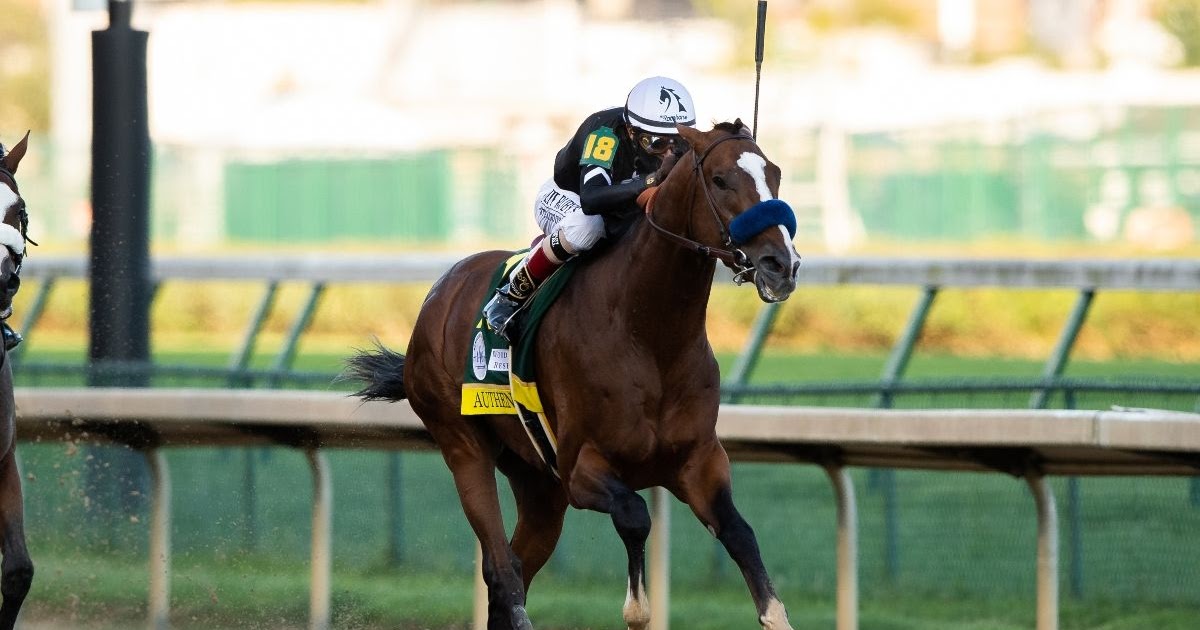
Horse racing betting is a thrilling and dynamic activity that attracts millions of enthusiasts around the world. However, understanding the mechanics behind betting, especially regarding the ‘Not On’ philosophy, is crucial for making informed decisions. For a deeper dive into the nuances of horse racing, Horse Racing Betting Not on GamStop go to website and explore various resources.
Horse racing has captivated audiences since ancient times, garnering a reputation as the sport of kings. Its rich history and the excitement of watching a race unfold create a unique atmosphere. As a spectator or bettor, one might find themselves drawn in by the energy of the crowd, the majesty of the horses, and the potential for financial gain.
Betting on horse racing has evolved significantly. Initially, it was a simple affair with informal wagers among friends and spectators. Today, it encompasses a complex framework involving online platforms, mobile betting apps, and sophisticated algorithms for predicting race outcomes. This transformation has made betting more accessible than ever, but it also calls for a deeper understanding of how to make educated betting choices.
Before delving into the ‘Not On’ betting approach, familiarity with some key betting terms is essential:
The ‘Not On’ perspective in horse racing betting refers to a cautious, analytical approach that emphasizes risk management and responsible gambling. Here are some foundational principles of this outlook:
Before placing a bet, thorough research on the horses and jockeys involved in a race is vital. Consider factors such as past performances, health statuses, and combinations that historically yield favorable outcomes. This data-driven approach enables bettors to make informed choices rather than relying solely on gut feelings or popular opinion.
Different horses perform better on varying track surfaces and under specific weather conditions. Knowledge about the condition of the racetrack on the day of the race can give bettors an edge. For instance, some horses excel on wet tracks while others prefer a firm surface.
Monitoring the odds and how they change leading up to the race can provide insights into where the money is being placed. Sharp movements in odds might indicate insider knowledge or shifts in public sentiment, which can be invaluable information for a bettor.
Adhering to a strict betting budget is a cornerstone of the ‘Not On’ approach. Establishing a limit helps prevent reckless spending and encourages disciplined decision-making. The thrill of betting can sometimes cloud judgment, but having a clear budget helps maintain a long-term perspective.
Emotions can lead to poor betting decisions. The ‘Not On’ approach encourages bettors to steer clear of placing wagers based on favoritism or recent disappointments. Instead, rely on statistical data and prior analysis to support your betting choices.
Effective bankroll management is crucial for sustaining participation in horse racing betting. Here are some techniques that align with the ‘Not On’ philosophy:
This strategy involves betting a fixed amount on each wager, regardless of the perceived value of a specific bet. This method helps manage losses and reduces the temptation to chase losses by placing larger bets.
With this approach, a bettor decides to wager a specific percentage of their bankroll on each bet. This method adjusts the value of bets as the bankroll fluctuates, promoting responsible gambling habits.
The Kelly Criterion is a formula used to determine optimal bet sizing based on perceived value. It takes into account the odds of winning and the size of the bankroll, allowing bettors to maximize their growth while minimizing risk.
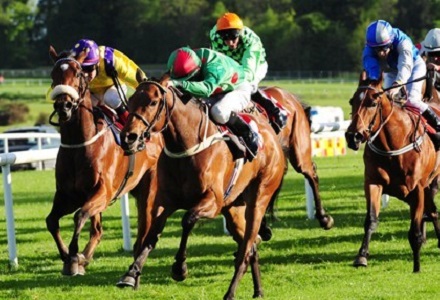
In the modern age of horse racing betting, numerous resources and technologies can enhance the betting experience:
The ‘Not On’ approach to horse racing betting encourages a thoughtful, research-focused methodology that prioritizes responsible gambling practices. By understanding the dynamics of each race, managing bankrolls effectively, and leveraging technology, bettors can enhance their experience and potentially increase their winnings while enjoying the thrill of the race. Remember, the excitement of horse racing lies not just in winning, but in the journey of analyzing, betting, and experiencing the sport.
Arde Fabrics © 2026. All Rights Reserved
 Download Catalogue